
How a tile is made: the production process in Ceramic Valley
One of the world’s most important ceramic districts is concentrated between Sassuolo, Fiorano Modenese and Maranello: the Emilian Ceramic Valley. Millions of square metres of tiles are produced here and exported to Europe, the United States, the Middle East and Asia.
But how is a tile actually made? Behind a simple covering lies a highly technological process, the result of research, design and industrial innovation.
Here are all the stages of the production process in Ceramic Valley.
1. Selection of raw materials
It all starts with the raw materials, mainly:
• Clays
• Feldspars
• Siliceous sands
• Natural minerals
These materials are carefully selected and mixed to obtain a mixture with specific characteristics: strength, compactness and stability.
In Ceramic Valley, the quality of the mixture is fundamental, because it determines the final performance of the product.
2. Grinding and preparing the dough
The raw materials are finely ground and transformed into an atomised powder.
The process is carried out using:
• Drum mills
• Industrial atomisers
This produces a homogeneous powder with the right degree of moisture, ready for the pressing phase.
This phase is highly controlled by digital systems that guarantee constant uniformity.
3. Pressing: the shape comes to life
The atomised powder is fed into high-pressure hydraulic presses.
Here, the tile is formed, which can be:
• Small format
• Large slab
• Thin or thick
The modern presses at Ceramic Valley achieve extremely high levels of precision, allowing the production of large porcelain stoneware slabs with increasingly larger dimensions.
4. Drying
After pressing, the tiles are still ‘raw’ and contain residual moisture.
They are then placed in industrial dryers to remove the water and prepare them for the next stage: decoration and firing.
This stage is delicate, because uneven drying could compromise the final quality.
5. Digital decoration
One of Ceramic Valley’s strengths is innovation in digital decoration.
Thanks to industrial inkjet printers, it is possible to reproduce:
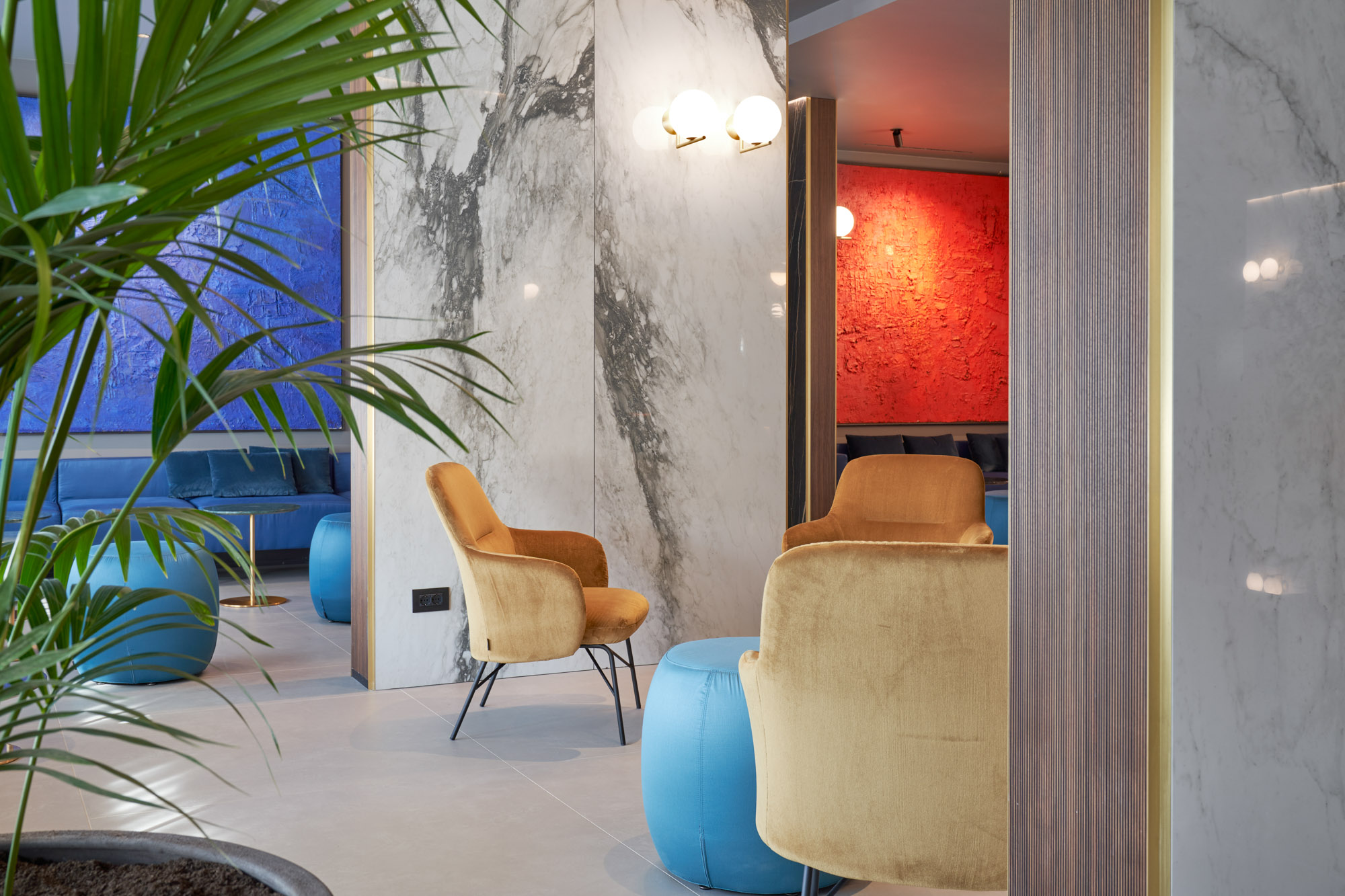
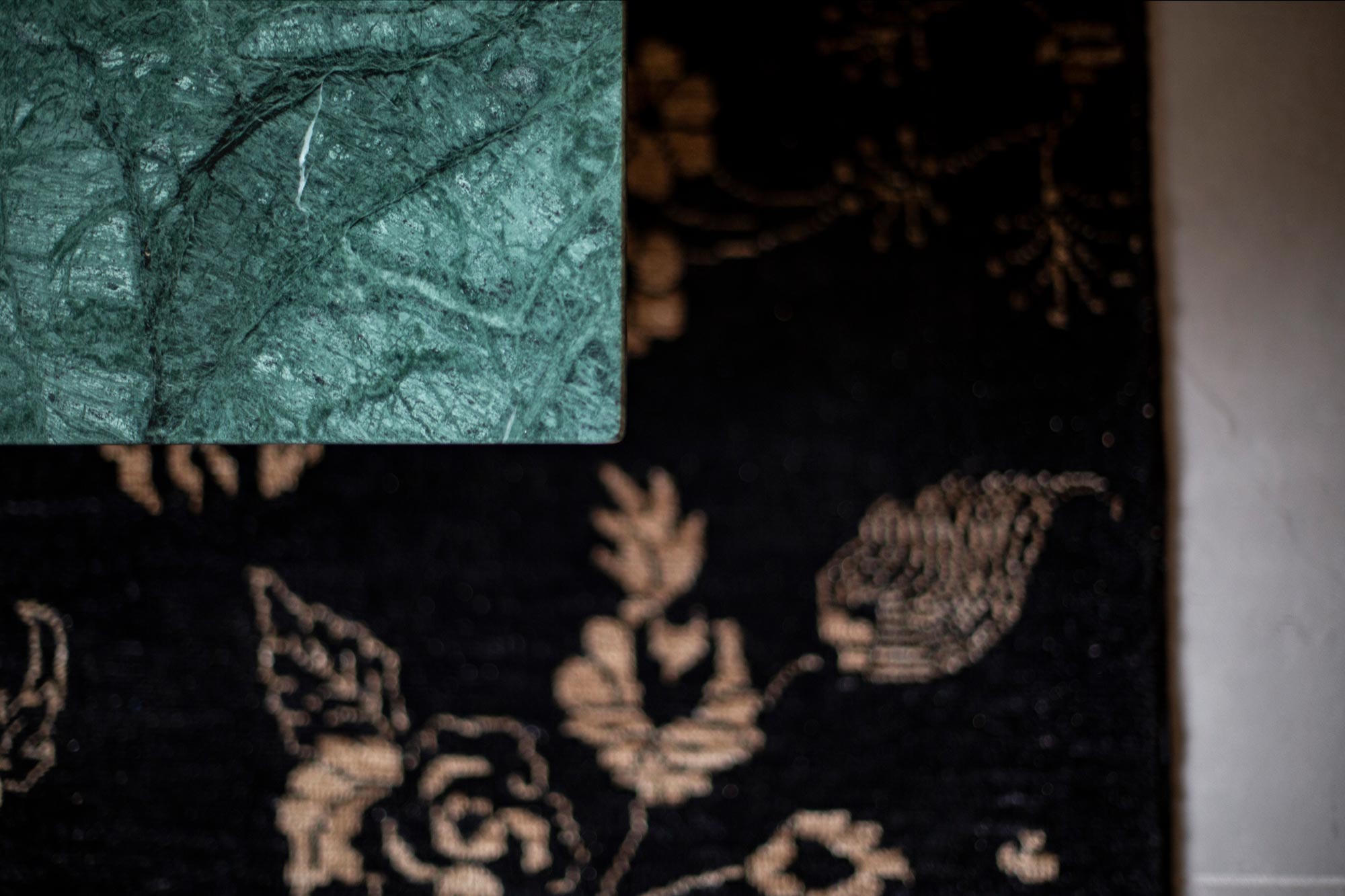
• Marble effect
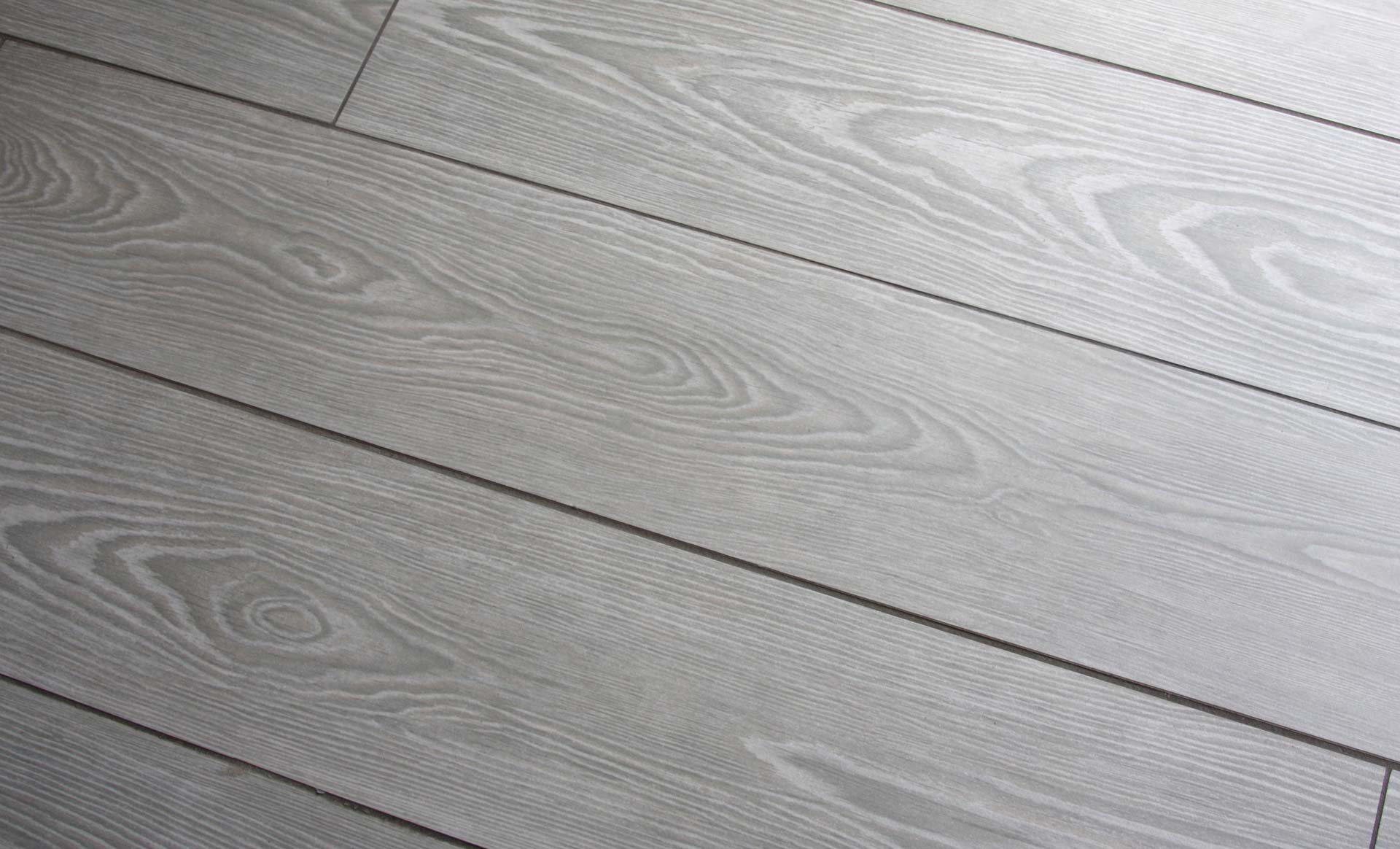
• Wood effect
• Concrete effect
• Ultra-realistic natural textures
The technology allows for extremely high precision in detail and a wide variety of aesthetics.
Design is a central element in the district’s international success.
6. Cooking at high temperatures
The most important stage is firing in roller kilns, which can reach temperatures of over 1,200°C.
During firing:
• The materials are compacted
• The surface vitrifies
• High-strength porcelain stoneware is obtained
This is where the tile acquires its definitive characteristics: hardness, impermeability and dimensional stability.
7. Grinding, finishing and quality control
After firing, the tiles can be:
• Rectified (for perfectly square edges)
• Polished
• Textured
• Lapped
Each piece undergoes automatic and manual quality checks to verify:
• Flatness
• Colour uniformity
• Resistance
Only products that comply with standards are packaged.
8. Innovation and sustainability in Ceramic Valley
The Emilian ceramic district is also among the most advanced in terms of sustainability.
Many companies invest in:
• Heat recovery from kilns
• Process water recycling
• Emissions reduction
• Circular economy
Ceramic Valley is not only about industrial production, but also continuous research into energy efficiency and environmental impact.
From natural material to surface of excellence
How is a tile made in Ceramic Valley?
Through a complex, precise and highly technological process that transforms natural raw materials into resistant and refined surfaces.
Between Sassuolo and Fiorano lies a concentration of know-how that is unique in the world.
Every tile tells this story: innovation, territory and industrial expertise.
And this is precisely what makes Ceramic Valley a global benchmark in the ceramic sector.