
Ceramic Valley and the International Contract: Hotels and Skyscrapers Around the World
From the provinces of Modena and Reggio Emilia to the skyscrapers of New York, luxury hotels in Dubai and resorts in Asia. The Emilian Ceramic Valley is today one of the absolute protagonists of the international contract market.
The tiles and large porcelain stoneware slabs produced between Sassuolo, Fiorano, and Casalgrande cover the floors, facades, and interiors of architectural projects around the world. The Italian ceramic district is not only synonymous with design, but with technical reliability and large-scale production capacity.
What is the contract sector in the ceramics world
In the construction sector, the international contract concerns large supplies intended for:
• Luxury Hotels and Resorts
• Skyscrapers and directional towers
• Shopping centers
• Hospitals and airports
• High-end residences
These are complex projects that require:
• Important volumes
• Precise time frames
• High technical standards
• International Certifications
Ceramic Valley has established itself, over time, as a strategic partner for this type of order.
Luxury Hotels: Aesthetics and Performance
In the hospitality sector, surfaces must combine:
• Aesthetic impact
• Heavy traffic resistance
• Ease of maintenance
• Non-slip safety
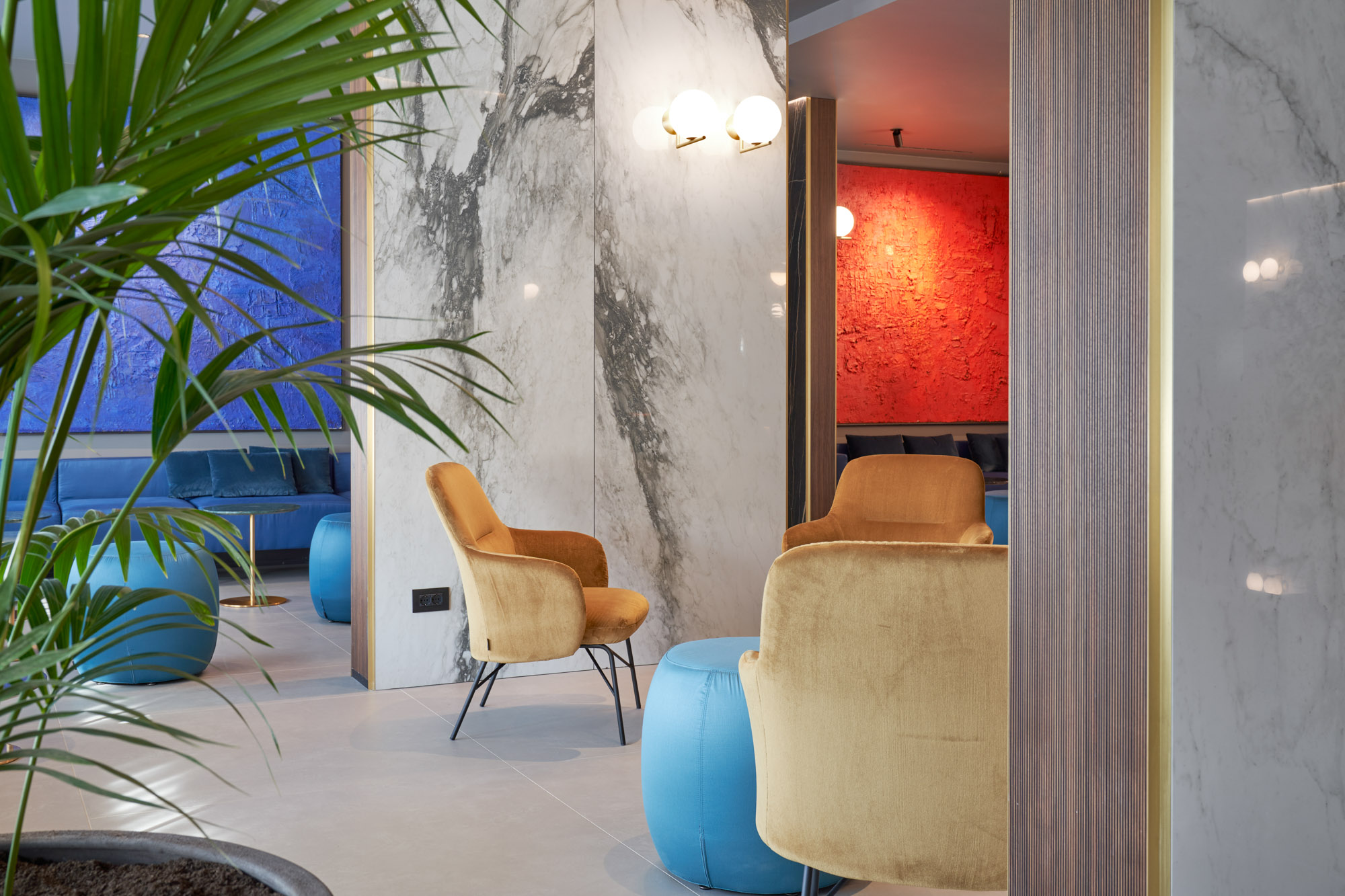
Large marble or natural stone effect slabs produced in Emilia Romagna are often used in:
• Monumental Halls
• Spa and wellness center
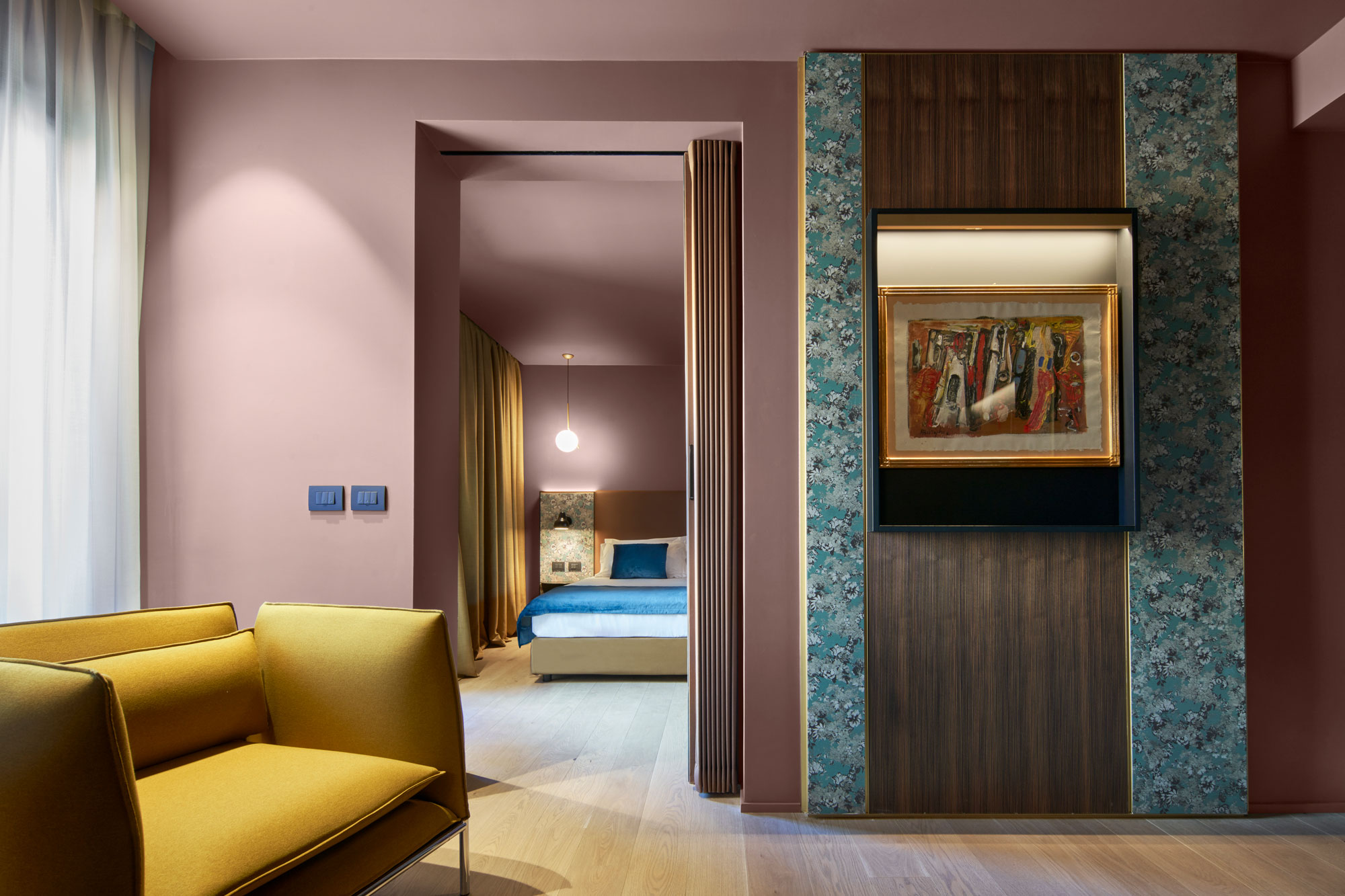
• High-end suites
• Common areas and restaurants
This is because Porcelain stoneware allows the elegance of natural marble to be combined with superior technical performance.
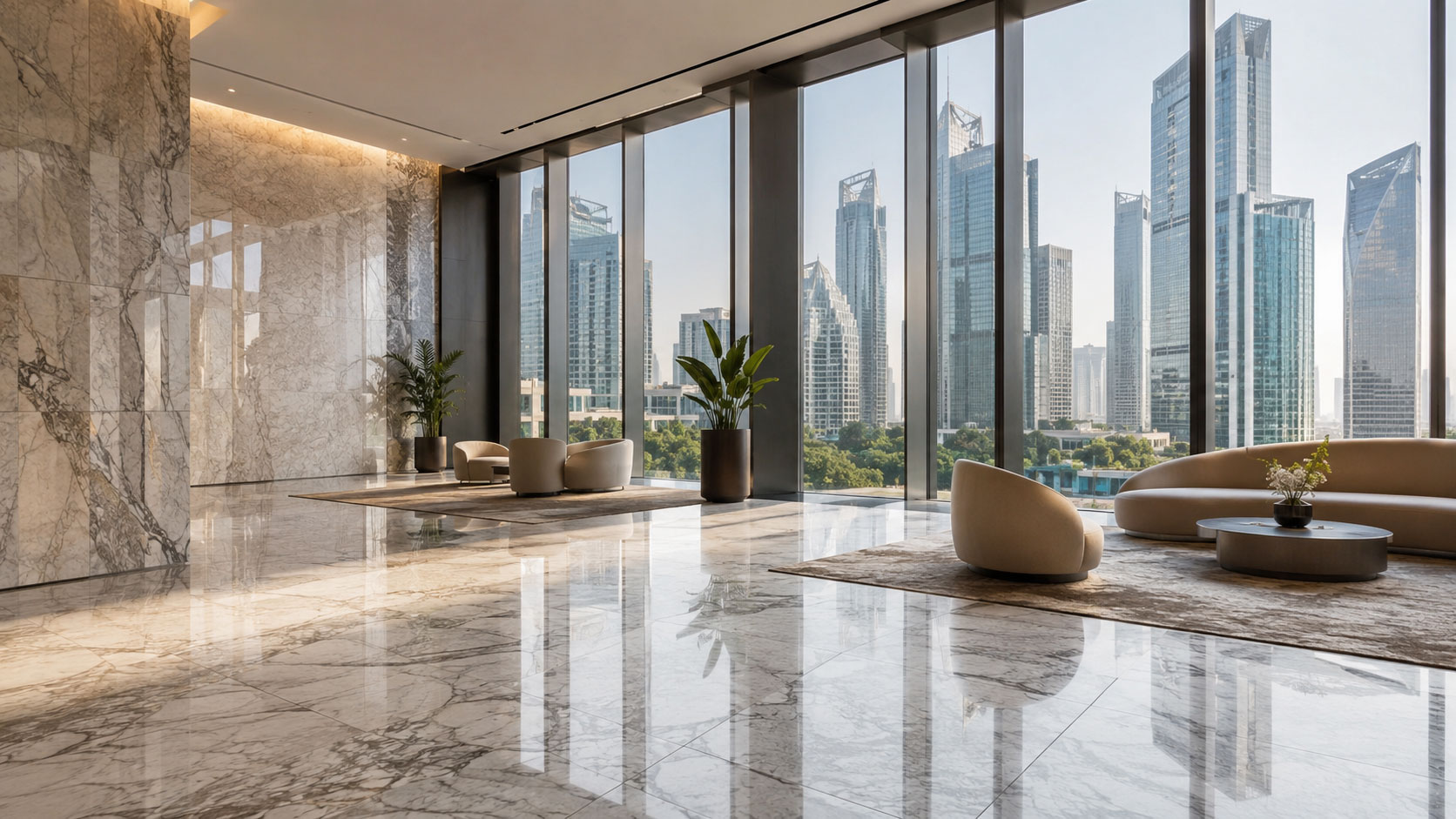
Skyscrapers and ventilated facades
One of the fastest growing sectors is that of ventilated ceramic facades.
Large format plates are used to coat:
• Directional towers
• Corporate buildings
• Luxury residential complexes
Benefits include:
• Durability over time
• Weather resistance
• Chromatic stability
• Reduced maintenance
In many international cities, iconic buildings feature ceramic surfaces from Ceramic Valley.
United States and the Middle East: Strategic Markets
Among the main international contract markets for Italian ceramics we find:
United States
Strong demand for large formats for high-end residential and commercial projects.
Middle East
Luxury hotels, malls, and skyscrapers require scenic, high-performance surfaces.
Europe
Mature market, with increasing focus on sustainability and environmental certifications.
The district’s ability to adapt to different regulations and standards is a key element of its success.
International certifications and standards
To operate in the global contract, Ceramic Valley companies must guarantee:
• Environmental Certifications (EPD, ISO 14001)
• Compliance with American and international standards
• Requirements for LEED and BREEAM projects
• Traceability and certified quality
These elements are crucial for participating in international competitions and major projects.
Production and logistics capacity
Another strength of the district is the ability to handle large volumes in a certain time.
The presence of:
• Highly automated establishments
• Integrated logistics
• Experience in export
It allows Emilian companies to quickly respond to requests from international architectural firms and general contractors.
The compact supply chain between Modena and Reggio Emilia facilitates coordination and flexibility.
Italian design as added value
Besides the technical performance, what sets Ceramic Valley apart is its design.
The collections developed in the district are often inspired by:
• Rare Marbles
• Natural stones
• Architectural cements
• Minimal contemporary textures
This mix of technology and Italian aesthetic culture represents a competitive advantage in the contract market.
Ceramic Valley: A Global District
Today, Ceramic Valley is not only a local manufacturing hub, but a global player in the architectural surface industry.
From iconic hotels to skyscrapers in international metropolises, Emilian ceramic surfaces help define the contemporary aesthetics of many projects around the world.
Success in the international contract is the result of:
• Technological innovation
• Production capacity
• Recognizable design
• Strong vocation for exports
And once again, between Modena and Reggio Emilia, an important piece of Made in Italy is concentrated around the world.