
The evolution of porcelain stoneware: technology and performance
Porcelain stoneware is one of the most widely used materials in contemporary architecture today. But the product we know today is the result of a decades-long technological evolution, strongly driven by innovation in the Ceramic Valley between Modena and Reggio Emilia.
From a simple alternative to traditional ceramics, stoneware has become a high-performance surface, used in residential, commercial and international contracts.
Let’s see how it has evolved over time.
The origins: compactness and resistance
Porcelain stoneware was created with the aim of obtaining a more compact and resistant material than traditional ceramics.
Thanks to the:
• Accurate selection of raw materials
• High pressure pressing
• Cooking at temperatures above 1,200°C
This way you get a surface:
• At very low porosity
• Highly wear resistant
• Stable over time
The first applications were mainly technical and industrial, with simple finishes and uniform colors.
The Age of Digital Decoration
One of the most important breakthroughs was the introduction of digital inkjet printing.
This technology has allowed us to:
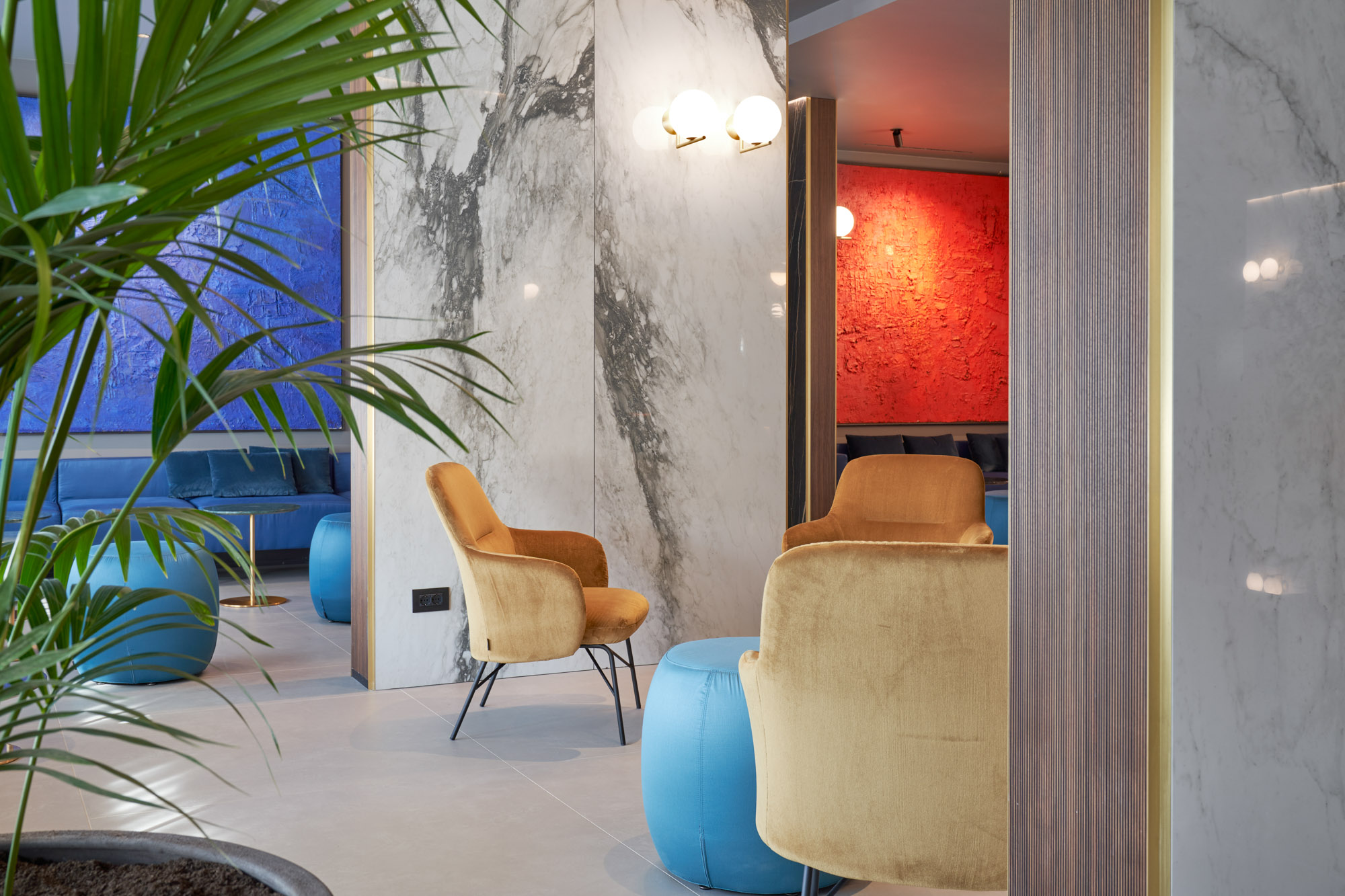
• Faithfully reproduce natural marbles and stones
• Create extremely realistic wood effects
• Develop concrete and metal effect surfaces
• Differentiate each individual tile
Ceramic Valley was among the first areas in the world to invest heavily in this innovation, transforming porcelain stoneware from a technical material to a design product.
Large formats and thin plates
Another fundamental stage in the evolution of stoneware is the introduction of large formats.
New pressing and firing technologies have made it possible to produce:
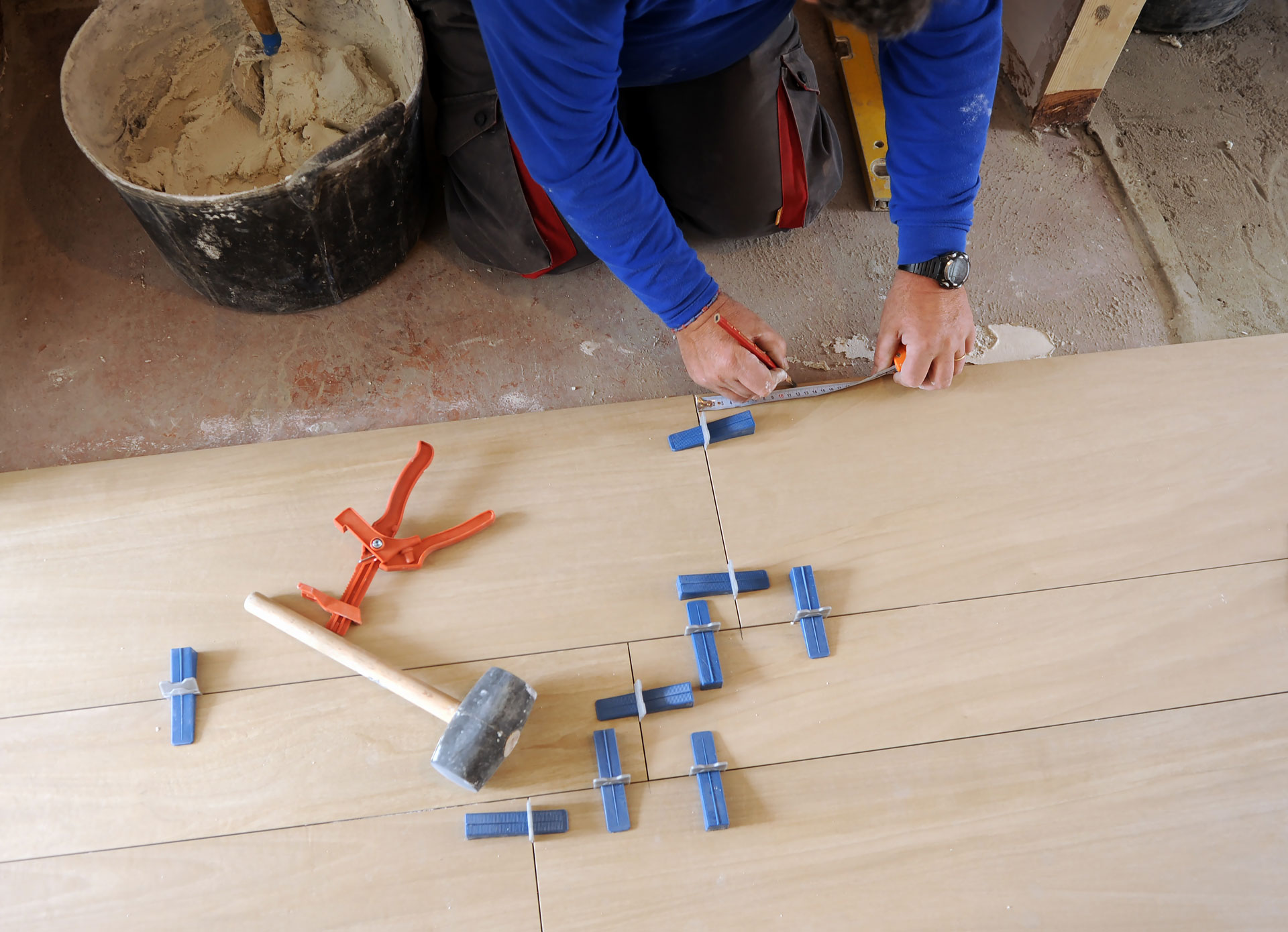
• Plates 120×240 cm
• 160×320 cm
• Reduced thicknesses of 6 mm
This opened up new applications in:
• Ventilated facades
• Kitchen top
• Custom furniture
• Continuous coatings without noticeable leaks
Stoneware has gone from a flooring material to a complete architectural surface.
Advanced technical performance
Today porcelain stoneware is appreciated for its high performance:
• Resistance to scratches and abrasions
• Almost total waterproofing
• Dimensional stability
• Frost resistance
• Suitability for high traffic environments
Some surfaces are designed to provide specific anti-slip properties or chemical resistance in industrial and healthcare settings.
These features make it ideal for both indoor and outdoor use.
Sustainability and evolved production cycle
In recent years, the evolution of porcelain stoneware has also affected its environmental impact.
Ceramic Valley companies have invested in:
• Recovery of processing waste
• Industrial water recycling
• Energy efficiency of ovens
• International environmental certifications
Stoneware is also a long-lasting material, with a long life cycle, characteristics that reduce the need for frequent replacements.
New surfaces and technological treatments
Innovation did not stop at graphics or format.
Today there are porcelain stoneware with:
• Antibacterial surfaces
• Self-cleaning treatments
• Three-dimensional textures
• Deep material effects
Materials research continues to improve both aesthetics and functional performance.
From function to architectural design
If stoneware was originally chosen for its strength, today it is a key material in architectural design.
Architects and interior designers use it to:
• Create visual continuity between interior and exterior
• Cover entire facades
• Integrate coordinated furnishings and surfaces
• Replace expensive or delicate natural materials
Technological evolution has today greatly expanded creative possibilities.
The Role of Ceramic Valley
The district between Sassuolo, Fiorano and Casalgrande played a central role in this transformation.
The collaboration between:
• Tile Manufacturers
• Plant companies
• Designer
• Research centres
accelerated the development of new technical and stylistic solutions. Ceramic Valley didn’t just follow the market: it led it.
An ever-evolving material
The evolution of porcelain stoneware is not over. Future challenges include:
• Further reduction of emissions
• Innovation in alternative materials
• Integration with sustainable architecture
• Digitalization of production processes
From a technical product to a protagonist of global design, porcelain stoneware has now become one of the symbols of Italian industrial innovation.