


The forgotten dishes of Emilian tradition
When we talk about Emilian cuisine, tortellini, lasagna, Parmigiano Reggiano and ragù immediately come to mind. But Emilia Romagna’s tradition is much broader than what appears on restaurant menus today.
There is a lesser-known part, made up of forgotten dishes from Emilian tradition, recipes born in peasant homes, in the villages of the Apennines, or in the kitchens of large families. Simple preparations, often tied to seasonality and recovery, that tell the story of a different Emilia: more rural, quieter, but authentic.
Rediscovering them means recovering a piece of Food Valley identity.
Savòr: the poor jam of autumn
Today almost impossible to find outside country houses, the savòr is an ancient preserve typical between Bologna and Romagna.
It was born from the need to avoid wasting anything: grape must, ripe fruit, peels, quinces, pears and walnuts were cooked slowly until they obtained a dark, thick jam.
It was spread on bread or used to fill tarts. It is a perfect example of recovery cuisine, now almost gone.
Soup in the bag: the Apennines on a plate
Typical of the Forlì area and the Romagna Apennines, soup in a bag is a preparation as simple as it is ingenious.
A dough made from eggs, Parmigiano Reggiano and breadcrumbs was cooked inside a cloth immersed in the broth. Once ready, it was sliced and always served in hot broth.
A poor dish, but rich in substance, born when resources were limited but creativity was not lacking.
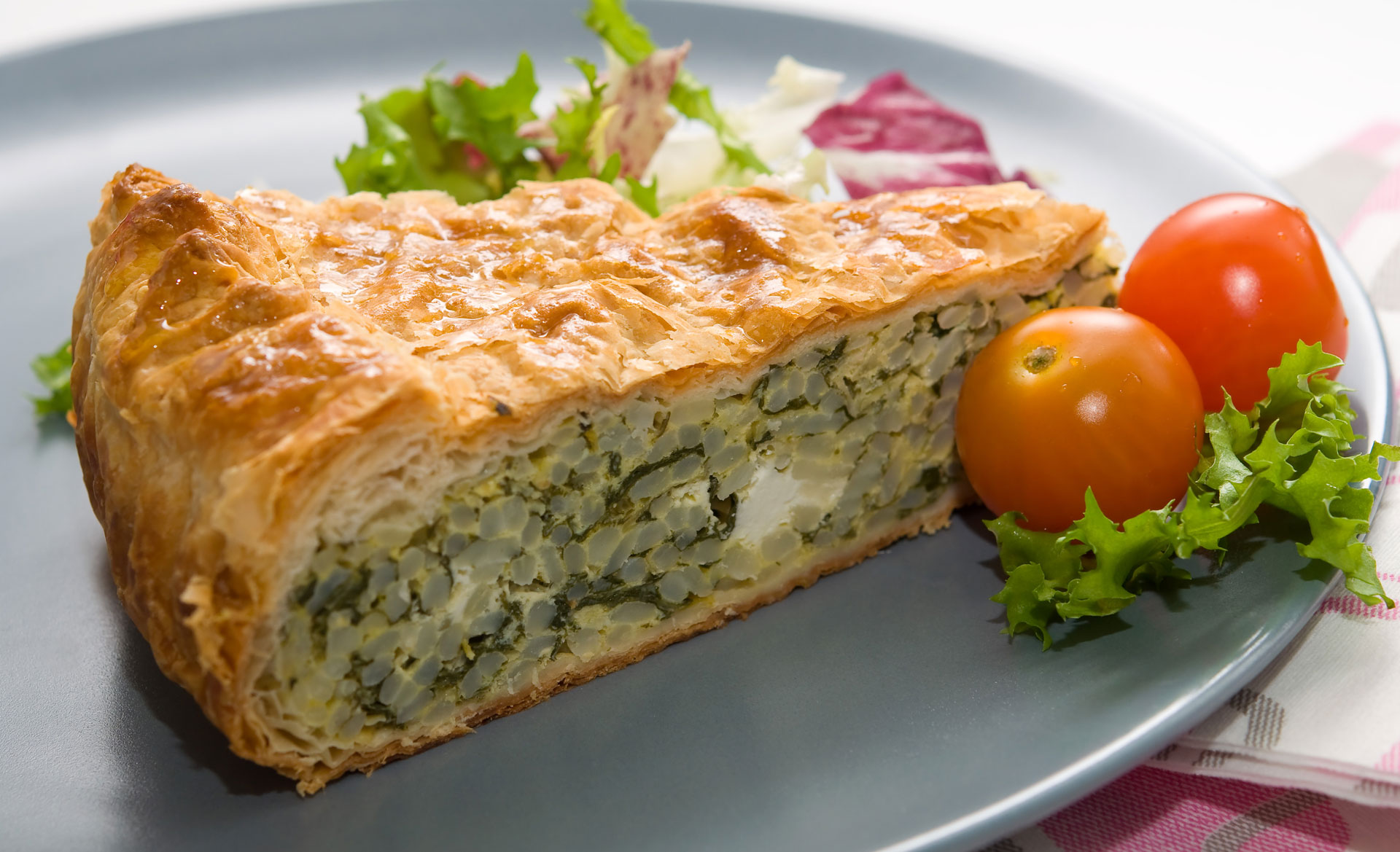
Salted Bolognese rice cake
While rice cake is now known primarily as a sweet version, there was once also a savory version, made with rice, cheese, eggs, and sometimes cured meats.
It was a unique, practical and nutritious dish, perfect for field work or quick lunches. Today it is rare to find it, except in some trattoria linked to the most authentic tradition.
The sauces “white” of the peasant tradition
Emilian pasta was not always seasoned with rich ragù and long cooking times.
In many rural areas, simpler sauces were prepared, such as:
• Pasta with melted lard and rosemary
• Tagliatelle with butter and sage
• Dense minestrones with legumes and cereals
Essential dishes, which today seem almost minimalist, but which at the time represented everyday life.
The simple sweets of peasant houses
Besides the famous trifle or Carthusian, there was a more humble pastry shop.
Rustic donuts without filling, ravioli filled with Bolognese mustard, dry biscuits made with just a few ingredients were part of everyday life.
Sweets that are less scenic, but deeply connected to the territory.
Why have these dishes been forgotten?
There are several reasons:
• Evolution of taste towards richer or “iconic” preparations
• Catering that has selected only a few iconic recipes
• Changing lifestyle and cooking times
• Loss of domestic traditions
Many recipes were related to family contexts and never entered commercial circuits or tourist menus.
Rediscovering Emilia’s gastronomic memory
Today, there is growing interest in authentic cuisine and the recovery of traditions. Some agritourism businesses, village trattorias, and chefs attentive to gastronomic history are bringing these forgotten dishes back to light.
Rediscovering them doesn’t mean nostalgia, but balance: understanding where modern Emilian cuisine comes from and recognizing that the Food Valley is made not only of celebrated excellence, but also of silent preparations that have nourished generations.
A heritage that deserves to be brought back to the table
The forgotten dishes of Emilian tradition are a precious part of the regional identity. They tell a less glossy, but profoundly true, Emilia.
And perhaps right now, at a time when there’s so much talk about sustainability, seasonality, and recovery cuisine, these recipes have something new to teach us.